Column · @elliottijlh437
Discover Practical Protection in Spring, TX with self defense classes condition1combat.com
Spring sits at the crossroads of quiet neighborhoods, busy retail, and long commutes. Most days pass without incident, but anyone who has worked late in a retail shop off I‑45, parked in a dim corner near Louetta, or taken a pre‑dawn jog along a greenway knows the feeling of scanning for trouble. Practical protection in a place like this is not about paranoia. It is about building habits, pressure‑tested skills, and the kind of calm that comes from knowing what to do when something feels off. That is where self defense classes at condition1combat.com and the broader program at Condition 1 Combat Center offer real value.
What practical self defense looks like in everyday Spring
It starts earlier than most people think. Self defense is not only a punch or a throw, it is the decision to cross the street, adjust your walking path toward other people, or notch your body angle to keep a stranger out of your reach. The first time I visited Condition 1 Combat Center, I watched a coach pause a partner drill to talk about how to place your grocery bag on the ground, slightly behind your leg, so your hands stay free. That is not martial arts flash, it is practical protection a parent can use in the H‑E‑B parking lot.
Spring has plenty of families and a growing tech workforce commuting into the city. Situational awareness should be as normal here as checking mirrors before changing lanes. The better schools put that habit into warmups, movement drills, and scenario work. The stronger programs make you practice that calm decision making when your heart rate is up, because that is when people make mistakes.
Why Condition 1 Combat Center stands out
Strong schools share three traits, no matter the style on the wall. They teach simple movements that survive pressure, they test those movements in live drills, and they keep safety at the center so students can come back tomorrow. Condition 1 Combat Center hits those marks with a curriculum that blends striking, clinch work, and ground skills, then locks them to common scenarios: the grab at the wrist, the shove into a wall, the attempt to drag someone to a car, the sudden swing of a fist in close quarters.
The team behind condition1combat.com self defense classes emphasizes adaptation. If you are 5'2", you cannot base your plan on power. If your knees have some mileage on them, you should not rely on high kicks or deep shots. In a Tuesday night class I observed, one partner pair drilled the same standing escape in two versions, one with a pivot and palm strike, the other with a drop in base and an elbow. Same principle, adjusted to the person. That attention to individual ability separates martial arts from choreography.
You also see a thoughtful approach to risk. The mats are dense but forgiving. Coaches pre‑screen drills for neck safety, especially in kids classes. Impact training builds in stages rather than dumping beginners into heavy contact. That scaffolding matters. If you have a solid pad session at 60 percent on day one, you are more likely to show up for day two.
Inside a typical class at Condition 1 Combat Center
Warmups are not mindless laps. Expect movement that ties directly to the skill combat center of the day. If the focus is clinch control, the warmup includes hand fighting, neck pummeling, and spinal mobility. If the day is ground escapes, the warmup integrates hip bridges, technical standups, and shoulder rolls. Ten to twelve minutes is enough to raise body temperature and sharpen attention without burning out.
Technical instruction moves in two to three layers. First, students learn the essential shape: posture, foot placement, where the head goes. Then a coach adds the context, when to use it and what a likely counter feels like. Finally, students practice at a controlled pace so mistakes surface and can be fixed. The best part is the Q&A between rounds. You will hear a coach ask, Where did you feel stuck? Students point to a detail, then drill again with that adjustment in mind. That feedback loop builds durable skills.
The end of class includes live work. Beginners might do isolated rounds such as escaping from a bear hug with limited strikes allowed, then resetting. Experienced students cycle through short rounds with specific win conditions, like achieving a safe exit to the door line while a partner tries to tie them up. It is practical, measurable, and just uncomfortable enough to resemble real stress without unsafe chaos.
For brand‑new students who have never trained
First‑timers to self defense classes at condition1combat.com often worry about fitness. The truth is, you do not need to be in shape to start. You get in shape by starting. Expect to break a sweat, maybe feel awkward, and then notice by the third class that you are recovering quicker. The coaches keep an eye on pace and will scale work. If burpees are rough on your back, they will swap in a step‑through variant. If your shoulders are tight, they will cue you to change elbow angles on strikes to avoid strain.
Clothing should be simple: athletic shoes, breathable top, shorts or joggers. Bring water. Tape or a small towel helps if you are prone to sweaty palms. In the first month, focus on three goals. Learn to stand and move with balance. Learn to keep your hands in a safe position that shields your face and manages distance. Learn to breathe normally during drills. Technique comes easier if those habits are there.
Kids martial arts that protect and build character
Plenty of marketing talks about confidence. At Condition 1 Combat Center kids martial arts programs, confidence grows from competence. When a child figures out how to step off the centerline and return with a controlled push, you can see the light switch. The coaches set clear boundaries. Running on the mats stops when instruction starts. Eyes forward when a partner is demonstrating. Yes, there are games, but they build footwork, reaction time, and teamwork, not chaos.
Parents in Spring like practical carryover. One eight‑year‑old I watched had a habit of reaching for an incoming hand. The coach turned it into a game called Guard Your Space. The child learned to back up one step, lift hands, and angle her hips. A month later, her teacher told her mom that she keeps her cool when classmates get rowdy. That is kids martial arts Condition 1 Combat Center style, a skill you can measure at home and school.
Safety in kids classes is non‑negotiable. Strikes happen on pads. Partner work starts slow and stays supervised. Ground drills emphasize posture and direction, not cranking joints. Coaches talk to kids about voice use too. A strong No, stay back voiced to an adult is rehearsed in the same way a front kick is. That is real‑world self defense for children, not movie moves.
Adult martial arts training that respects time and goals
Adults in Spring juggle work, family, and commutes. Condition 1 Combat Center adult martial arts training meets people where they are. Some students prioritize fitness, others want to feel prepared in a parking lot, and a few chase the deeper technical layers. Good programs do not force a single path. If you can make two classes per week, you will still progress. If you can stack three or four, you will see sharper reactions in a few months.
Expect a blend of pad work to sharpen mechanics, clinch control for crowded spaces, and ground defense for worst‑case scenarios. The adults class I shadowed split evenly between standup and ground on alternating days. That rhythm keeps skills fresh without overwhelming anyone. A coach may ask what you do for a living, not to pry, but to tailor scenarios. A nurse walking to a car at 2 a.m. Faces different patterns than a software engineer who hits the gym after work. Self defense classes condition1combat.com organizes are tuned to those realities.
Striking, clinch, and ground: a balanced toolkit
Pure striking gives you range management and quick deterrence. Pure grappling gives you control once contact is made. Real incidents blur the line. A good self defense curriculum ties them together. You learn entries that protect your head while covering ground, clinch breaks that create space to exit, and ground recoveries that return you to your feet fast. That integration builds a simple plan: stabilize, disrupt, and leave.
Striking here leans on straight punches and palm strikes. Palms reduce risk of hand injury when adrenaline is spiking and aim is sloppy. Low kicks target the thigh or shin, not the head. Knees show up in clinch positions. Elbows require tight control and are taught with care to avoid facial cuts in training.
On the ground, the focus is defensive mobility. You will not spend months memorizing tournament setups that require gi grips or long chains. Instead, you learn to frame with your forearms, create space with hip movement, and stand up safely while facing your threat. That is martial arts Condition 1 Combat Center style, grounded in physics and built for parking lots, hallways, and tight spaces.
Scenario training that prepares you for messiness
Controlled chaos is the bridge between technique and reality. The school uses scenario rounds to turn knowledge into action. You might start with a conversation with a partner assigned as an agitator. You practice verbal boundaries, escalate to a fence position with hands up, and only if the partner closes distance do you use physical tools. Those rounds reveal gaps. Maybe your voice drops under stress. Maybe you back straight up instead of angling. Coaches pause, fix one detail, and run it again.
Environmental details matter in Spring. You will see drills near a mock car door, against a wall, or near a bench to simulate tight spaces. Shoe choices come up too. Many altercations happen in whatever you wore to dinner. If you have never thrown a knee in boots or balanced on slick soles, you need that experience where the floor is safe and supervised.
How safety is baked into every step
A clean room, staff that enforces rules, and warmups that prepare joints for impact reduce injuries more than fancy equipment. Condition 1 Combat Center checks those boxes. Adults sign waivers and review contact rules. Children are matched by size and maturity. Coaches carry a first‑aid kit within arm’s reach and use it more for blisters than anything else.
When you see sparring, it is structured. Beginners work with limited targets and pre‑agreed intensity. Head contact is introduced gradually, and only with appropriate gear. Ground rounds stop once a student stands and exits a defined space, because the goal is exit, not submission. That clarity shows up in fewer tweaks and a steady line of students returning each week, which is the only way real skill grows.
Culture, coaching, and accountability
A good room keeps egos in check. You will notice it in small details: partners asking Are you good on this grip before drilling, or a coach who pairs an experienced student with a newer one and asks the veteran to focus on timing and control. That is how culture transmits. Condition 1 Combat Center martial arts classes benefit from instructors who have actually taught across ages and body types, not just competed.
Feedback is specific. Not Good job, but Your feet were square on that exit, fix the lead foot. Students learn to self‑coach with checklists in their head: posture, hands, angle, exit. Over time, that attention spreads beyond the mats. A realtor student told me he changed how he stands during open houses, keeping his path to the door clear. That is what practical training does. It transfers.
Scheduling, budgeting, and making it stick
Consistency beats intensity. If your week allows two sessions, anchor them like medical appointments. Most people do well with 90 minutes, including commute and quick cleanup. Classes at this level generally run 60 minutes, sometimes 75 for advanced blocks. If you miss a night, do five minutes of shadow work at home. Run through three technical standups, practice your exit footwork, and you will not slide backward.
Gear costs stay manageable. You can start with nothing, then add hand wraps and small gloves for pad work. Mouthguards make sense once you do live rounds. Groin protection is optional but smart. For ground work, a rashguard or snug top helps reduce mat burn. The school provides loaner pads for beginners, which keeps barrier to entry low.
Membership models vary, but in Spring you will typically see monthly rates with discounts for longer commitments or family plans. If you have two kids and one adult training, ask about family bundles. It is worth paying a little more for a program that tracks your progress and offers flexible make‑up classes. A cheaper membership does not help if you cannot use it.
Visiting a school: what to watch for and what to ask
- How do you scale contact for beginners and kids, and what protective gear is required?
- What percentage of class time is live or scenario based, and how do you keep it safe?
- Can I observe a class, and may my child try one with me present on the sideline?
- How do you handle injuries or students who get overly aggressive?
- What skills should I expect to have after three months, six months, and one year?
A serious school answers without defensiveness and shows you how those points play out on the mat. If the answers are vague or the room looks chaotic with little coaching oversight, keep looking.
Legal awareness and the Texas context
Texas law gives broad rights to defend yourself, but responsibility rides shotgun. Good training pairs physical tools with judgment. Coaches at condition1combat.com martial arts classes talk about proportional response. If someone grips your wrist and you break free and exit, that is smart. If someone corners a child and attempts to force them into a car, your response must be decisive and escalate now. Students learn to use voice to deter and document, to scan for witnesses and cameras, and to leave the scene safely when force stops the threat.
Many adults in Texas also carry defensive tools. Condition 1 Combat Center does not turn classes into gear drills, yet instructors acknowledge realities. If you carry, your first job is retention. That means you should be solid in clinch and positional control. You also train verbal skills to avoid drawing when a simple exit solves the problem. This balance matches the spirit of adult martial arts training Condition 1 Combat Center promotes: capability without bravado.
Measuring progress without chasing belts
Belts and stripes can motivate, but real markers are practical. Can you maintain posture and hands while someone shouts and crowds you. Can you create space against a stronger person and reach an exit line reliably. Can your child use a loud voice and move behind you on cue. Those are the checkpoints coaches at self defense classes condition1combat.com track informally each month.
Timeframes vary. Most adults feel a shift after 8 to 12 sessions. Their startle response smooths out, and they recover composure quicker. By three months, you should have a small set of go‑to movements that show up under pressure. At six months, you will notice cleaner entries, smarter exits, and a more deliberate choice of tools. If you do not feel that progress, talk to a coach about your goals. The plan may need tweaks.
Stories from the mat and the neighborhood
A Spring dad shared that he used a boundary voice at a gas station late on a Thursday. A stranger moved too close while he was buckling his toddler in. The dad turned, lifted his hands, and said, Stop right there in a firm tone. The person veered off. No strikes, no chase, just a practiced response. That same week, a high school senior told a coach she finally stopped freezing when a teammate tried to tie her up in practice. The fix was a simple frame and hip turn drilled a dozen times under light pressure.
These are small wins, but they add up. Practical protection is not cinematic. It is a thousand quiet choices supported by habits built on the mat.
Getting started with condition1combat.com
If you are curious, take one class. Watch how coaches interact with students. Notice how you feel at the end, not only physically, but mentally. Do you leave clearer on what to do in a crowded hallway, the far corner of a parking lot, or at your kid’s soccer field when a stranger gets too close. Good training gives non‑dramatic answers to ordinary concerns.
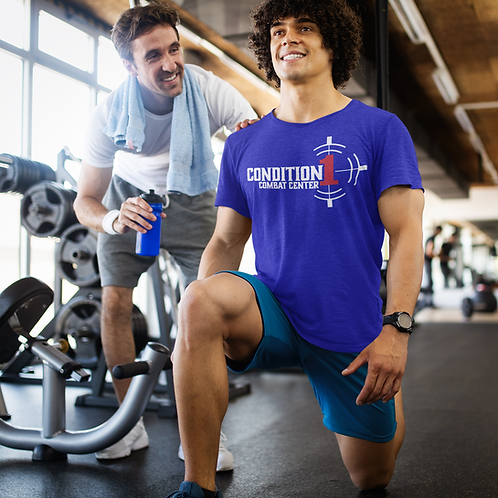
Condition 1 Combat Center martial arts classes make those answers feel natural through repetition and smart pressure. The website, condition1combat.com, outlines schedules for adults and kids, along with contact options for trial classes. If you start, give it six sessions before you judge results. Skills need a little time to nest. Keep water in your bag, show up consistently, and stay curious.
A short checklist for first month success
- Build a simple routine: two classes per week, same days if possible.
- Learn the technical standup and practice it at home for two minutes daily.
- Ask one question each class about a small detail, then focus on that fix.
- Use your voice in drills, even if it feels awkward at first.
- Set one practical goal, like smoother exits during scenario rounds.
Small steps, repeated, deliver the confidence most people imagine when they search for martial arts classes Condition 1 Combat Center on their lunch break. The skills do not scream for attention. They settle into your posture, your timing, and your choices. That is practical protection for Spring, Texas, and it is well within reach.